
“The most important problems are solved not by individual expertise, but by well-designed collaborative systems that bring the right stakeholders into alignment and sustain both individual and institutional transformation.”
We don’t just advise on change. We architect it.
Two practice areas. One coherent conviction.
Collaborative Systems Architecture
We design the networks, platforms, and partnerships that allow diverse stakeholders to solve systemic problems together. From UN chambers to village councils.
Human Flourishing & Transformation
We build AI-powered tools drawing on peer-reviewed neuroscience — mapping the science of how the brain actually changes to leadership development and organizational transformation.
“In the gap between high-level policy intent and on-the-ground delivery — that is where I have spent my career.”
John B. Gongwer · Founding Principal
25 years. 70+ countries. Six continents. From USAID emerging markets programs to UN civil society platforms to a coal mining region in the Transylvanian Alps — where we negotiated contracts with six city governments to build their official municipal websites and citizen services, staffed by young coal miners trained as web designers.
The conviction that runs through all of it: the architecture of collaboration matters more than the quality of any individual expert.

A Three-Article Research Series on AI Governance in Emerging Markets
Three decades of research — from a 2007 Cambridge dissertation on innovation diffusion to a 2019 peer-reviewed study on legislative decision-making — applied to the specific challenge of AI governance in developing world contexts. Read the full series on Insights →
Why AI Governance Fails in Emerging Markets
Based on the RCL framework from peer-reviewed research in Policy Sciences. Why trust architecture — not technical quality — determines whether governance frameworks succeed on the ground.
Read on LinkedIn →
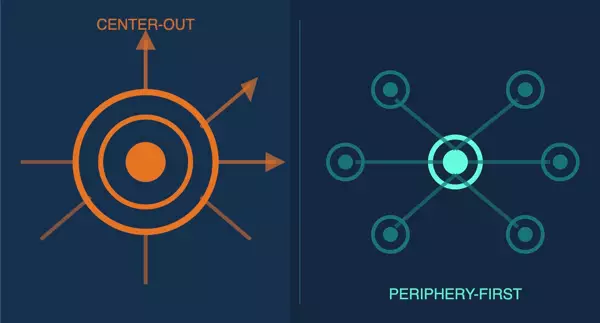
The Wrong Model for AI Diffusion
Three decades of internet evolution and two decades of innovation network research. Why the Rogers diffusion model is structurally wrong — and what periphery-first architecture means for governance strategy.
Read on LinkedIn →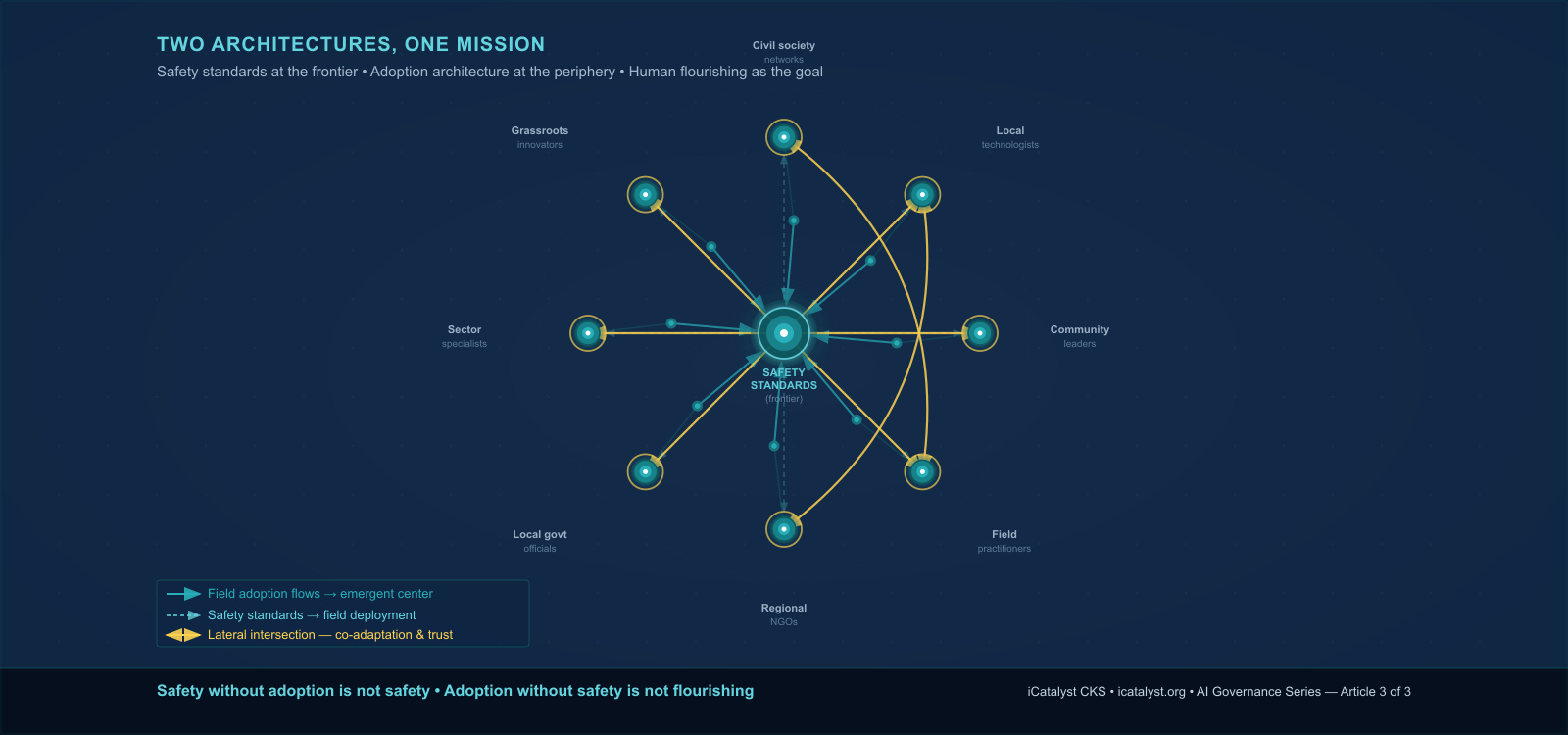
Two Architectures, One Mission
The apparent tension between centralized AI safety governance and periphery-first adoption architecture dissolves once a single distinction is made: they answer two fundamentally different questions.
Read on LinkedIn →From Research to Reality
Two AI-powered tools translating peer-reviewed neuroscience into practice.
NeuroFormation Atlas™
Mapping peer-reviewed neuroscience to leadership and organizational transformation. Evidence-graded intervention library with 3D brain network visualizations.
Contact us for a demo →NeuroFormation™
AI-powered platform for the neurological formation of leadership character — drawing on the science of how the brain actually changes through sustained practice.
See all tools →
John B. Gongwer
Collaborative Systems Architect · International Policy Strategist · Social Innovator
Building the collaborative architecture that allows people, organizations, and governments to solve hard problems together — in the places where the stakes are highest.
Ready to build something that matters?
Whether you are a government institution, foundation, technology company, or organization in transformation — we would be glad to talk.
Start A Conversation →