
Built on a Conviction
The most important problems are solved not by individual expertise, but by well-designed collaborative systems that bring the right stakeholders into alignment and that sustain both individual and organizational transformation. That conviction has organized 25 years of building collaborative architectures in the places and on the problems that matter most.
What iCatalyst CKS Does
iCatalyst (Collaborative Knowledge Solutions) is a Washington, DC-based practice dedicated to building the collaborative architectures that allow government institutions, civil society organizations, technology companies, and foundations to design and prototype collaborative systems and organizational transformation programs.
Collaborative Systems
From UN chambers to civil society coalitions. Trust-based relationships that turn policy intent into impact.
Human Flourishing
AI-powered tools mapping peer-reviewed neuroscience to leadership development and organizational transformation.

John B. Gongwer
Collaborative Systems Architect · International Policy Strategist · Social Innovator
For 25 years I have worked with visionary partners to design and build the collaborative architecture that allows people, organizations, and governments to solve hard problems together in the places where the stakes are highest.
Four Decades, Six Continents
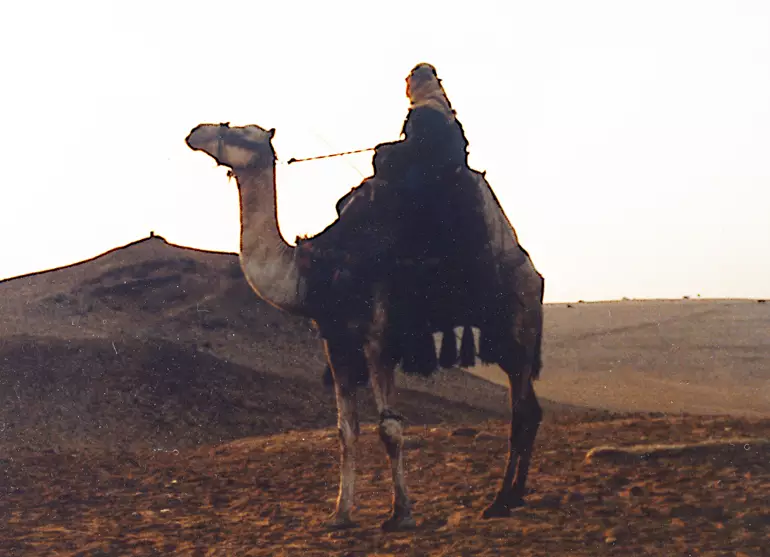
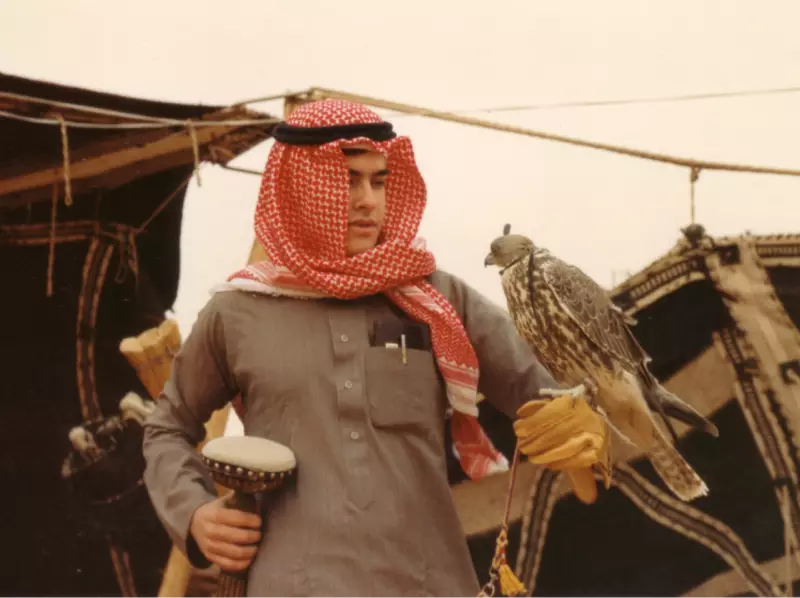
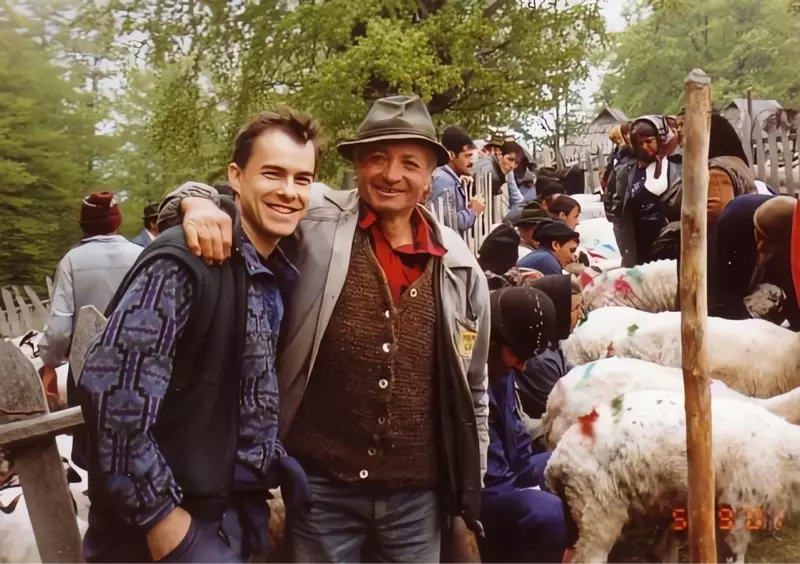
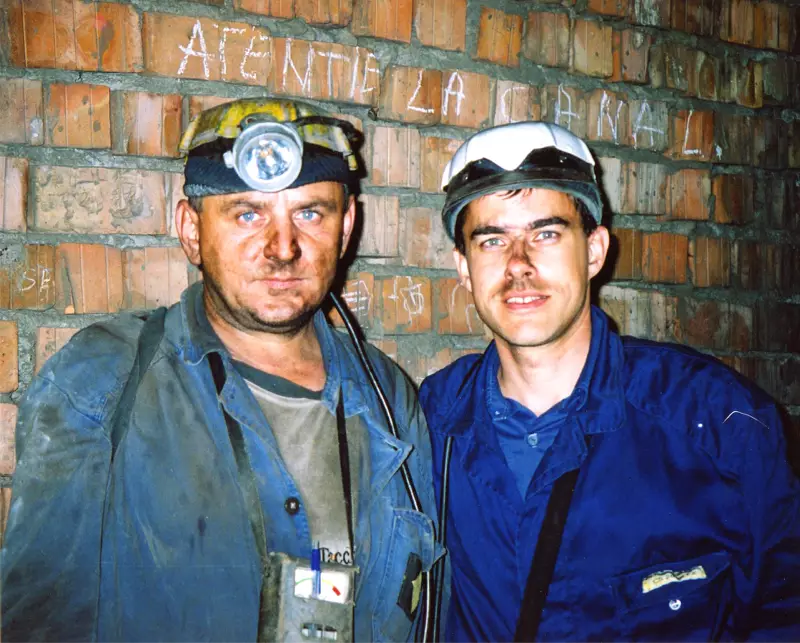
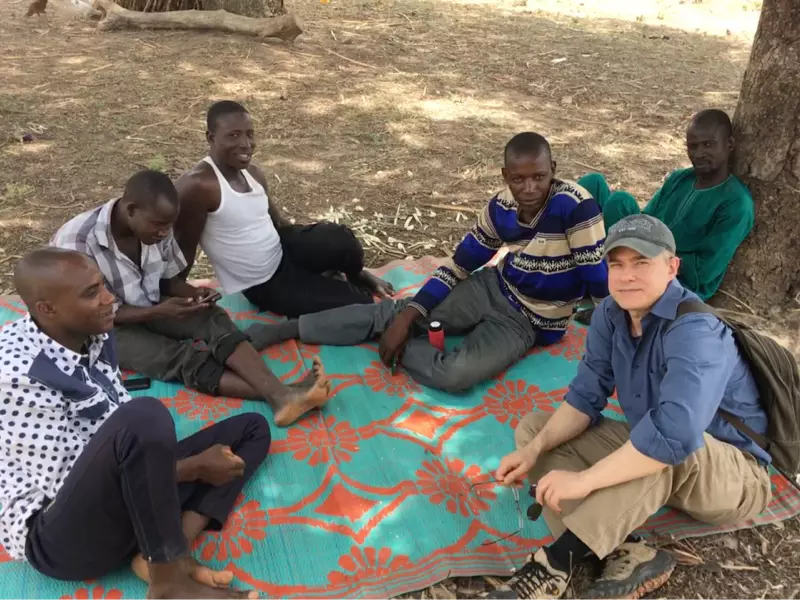
From Arabic immersion in Cairo and Bedouin traditions in Saudi Arabia, to living with coal mining and traditional shepherd families in Romania’s Transylvanian Alps, a Navajo family and clan on the reservation in New Mexico to recently working alongside victims of violence and displaced communities in Nigeria — across six continents and four decades.
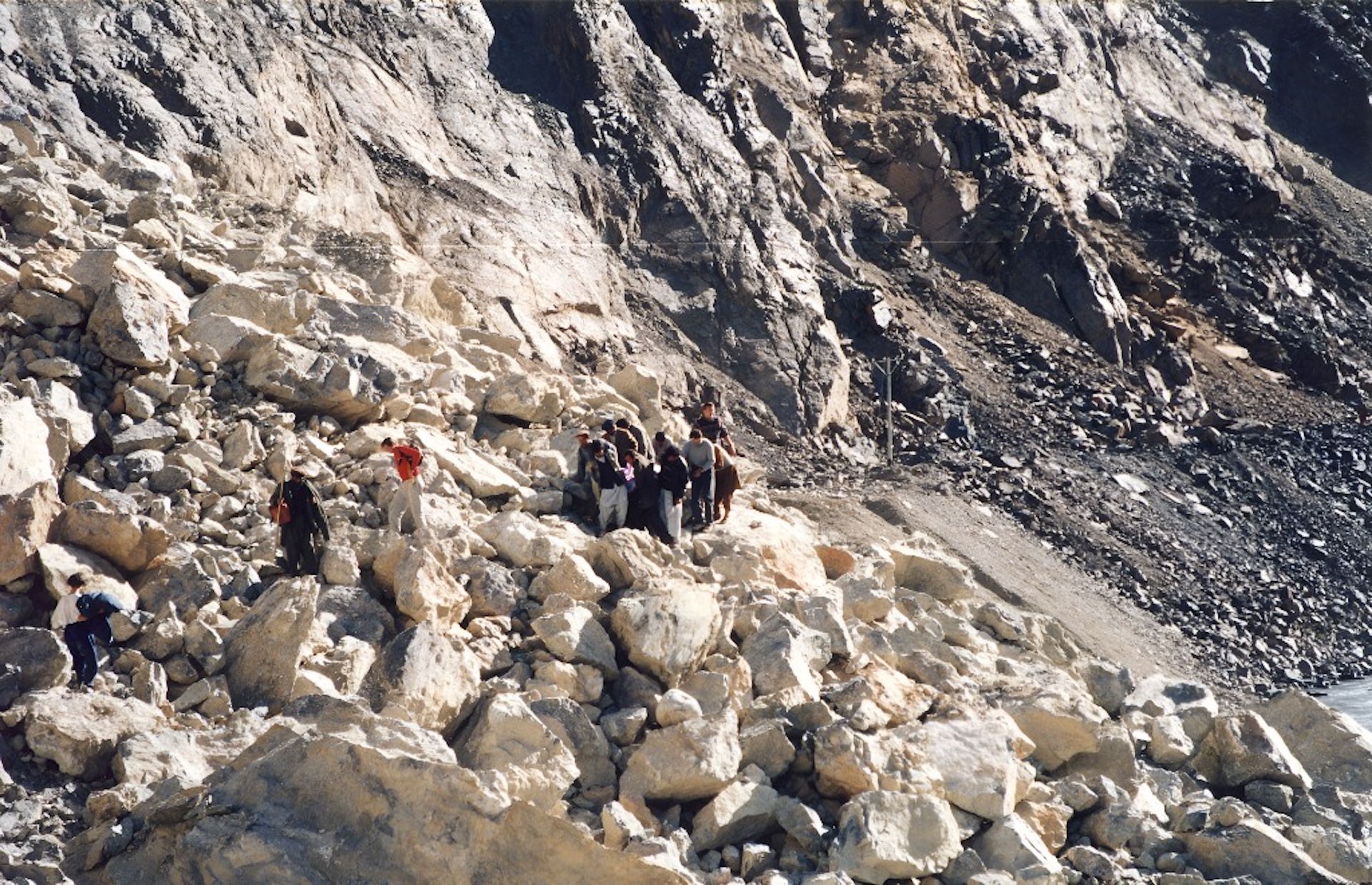
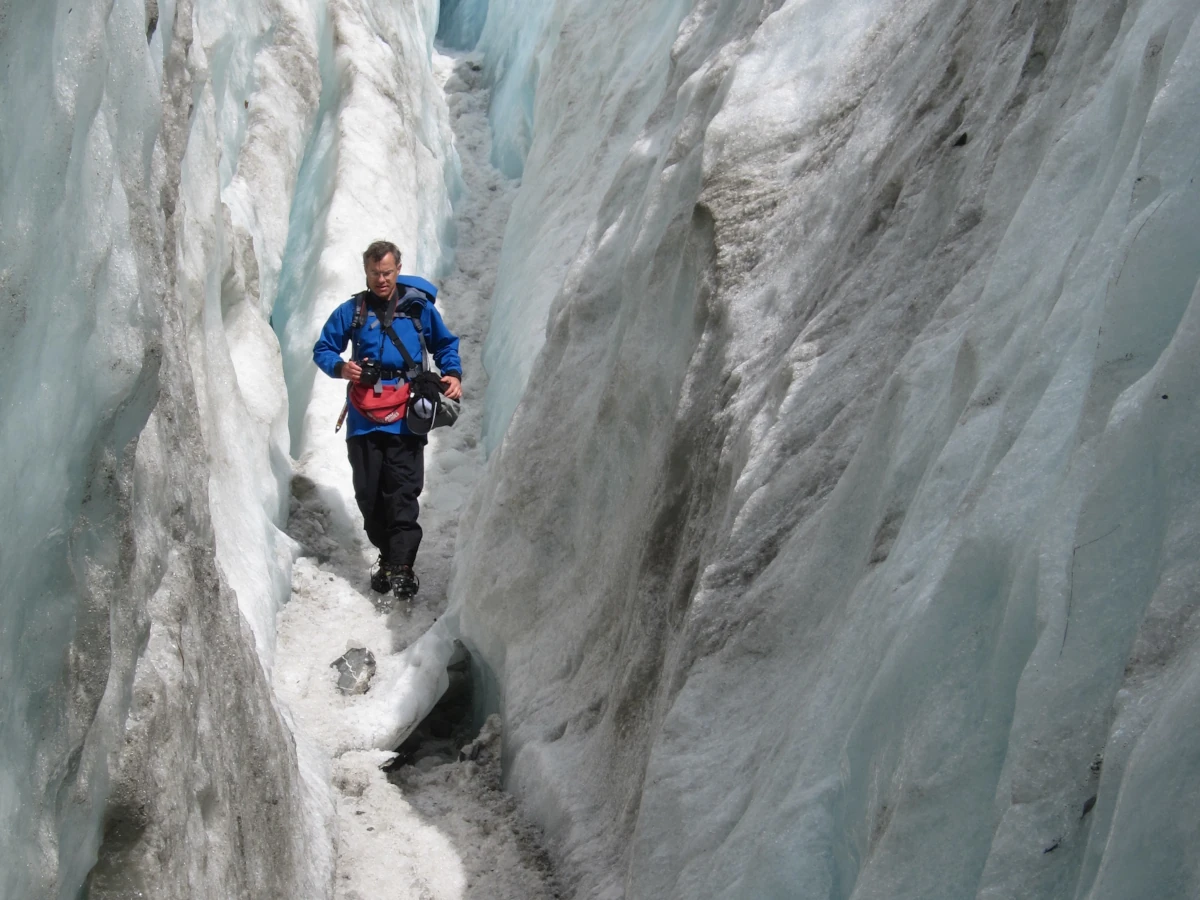
In 1992, a rockslide high in the Karakoram Mountains left me with a shattered leg in one of the world’s most remote border areas. Local Pakistani villagers carried me by hand and transported me across 17 kilometers of rubble. The Aga Khan Foundation secured multiple flight authorizations to reach me in a heavily restricted security zone, sending their chief orthopedic surgeon and medical director on the rescue helicopter itself. They covered all medical expenses, including follow-on surgery at their teaching hospital in Karachi. The chief pilot, Aijaz Akram, later became a friend and visited me in Washington. Four years of surgery and recovery followed, and then mountaineering again.
That experience taught me something no classroom could: our most important problems are solved not by systems alone, but by the character of the people inside them. Kindness, solidarity, and our common humanity are not soft variables. They are the architecture.
It also set the course of a life. The generosity of strangers in the Karakoram is one of the primary reasons why I later worked alongside men recovering from addiction in Washington DC, why I’ve sat with displaced communities in Nigeria, municipal and civic leaders in transitional coal mining communities, and tribal councils in the Navajo Nation — why I’ve spent years in the places where the stakes are highest and the systems are most broken, not as an expert dispensing solutions, but as someone who knows what it means to be carried.
The conviction that runs through all of it: that human transformation — personal, organizational, societal — is possible. That the architecture of collaboration, built with the right people in the right relationships, can turn the hardest problems into shared journeys. That is what iCatalyst exists to build.

Ready to build something that matters?
Whether you are a government institution, foundation, technology company, or organization in transformation — we would be glad to talk.
Start A Conversation →